
(Article courtesy of Minnesota Department of Transportation (MnDOT))
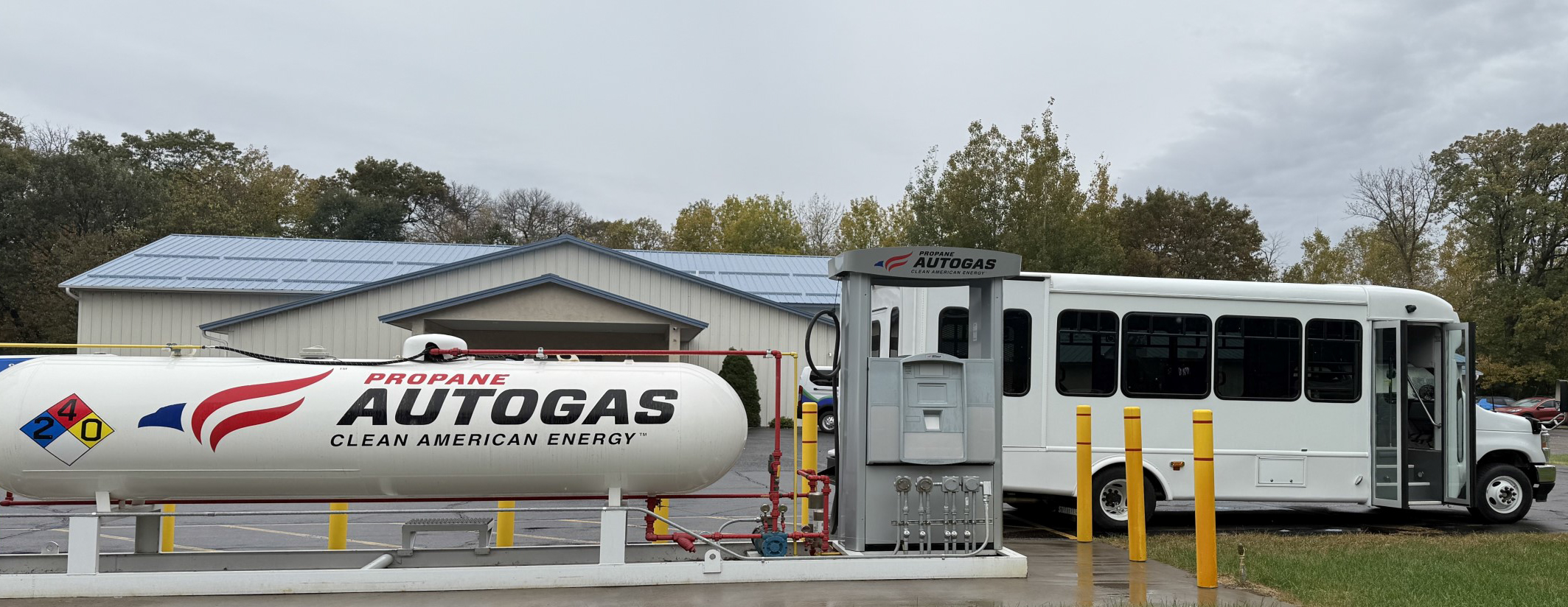
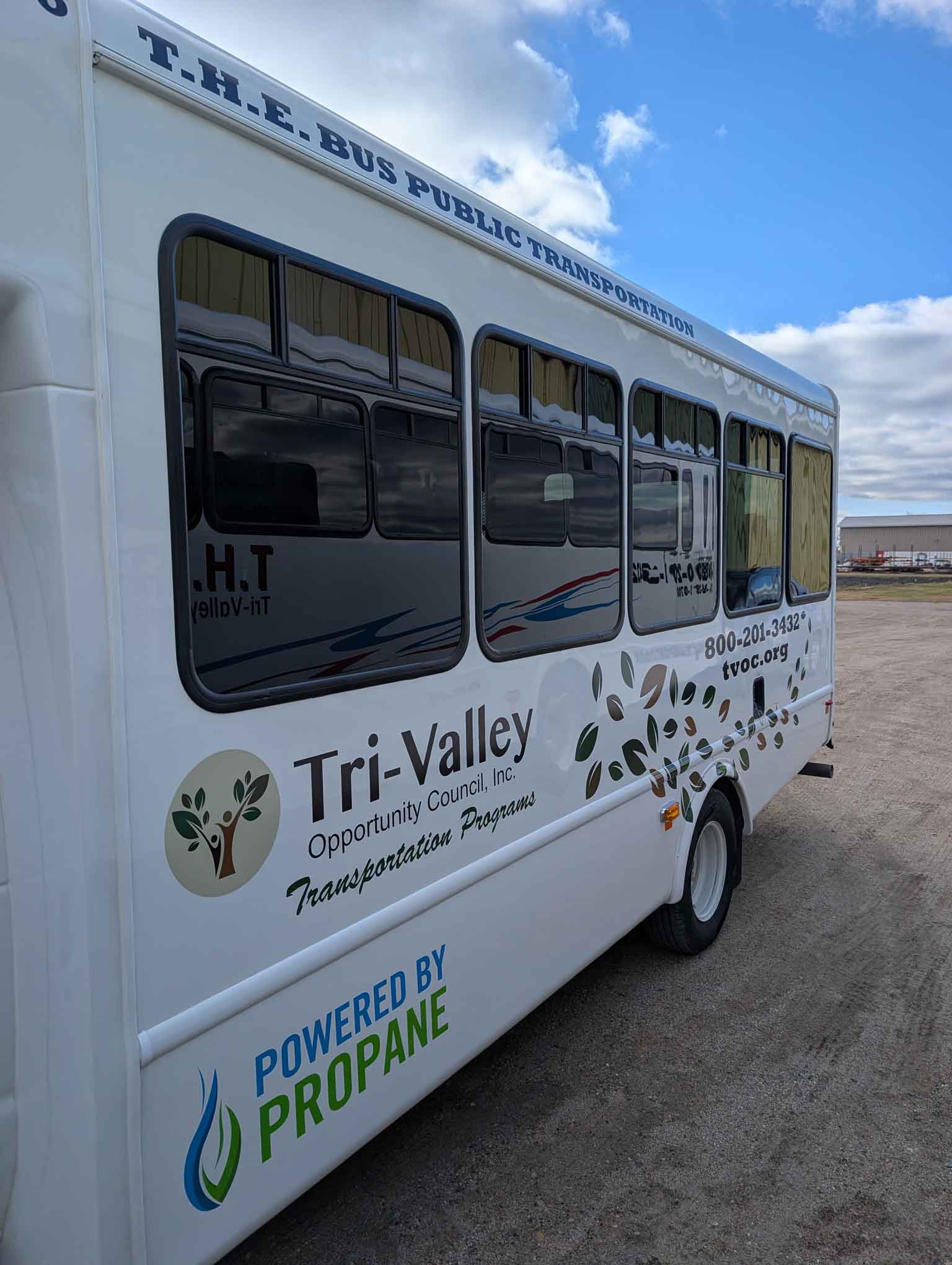
Minnesota Department of Transportation (MnDOT) and the Greater Minnesota transit community celebrated a major milestone this month with the arrival of its first low-emission, propane-fueled transit bus. Tri-Valley Opportunity Council, which provides service in Northwest Minnesota, is now the first rural transit system in the state to deploy a low- or no-emission fuel type through the use of propane-powered vehicles.
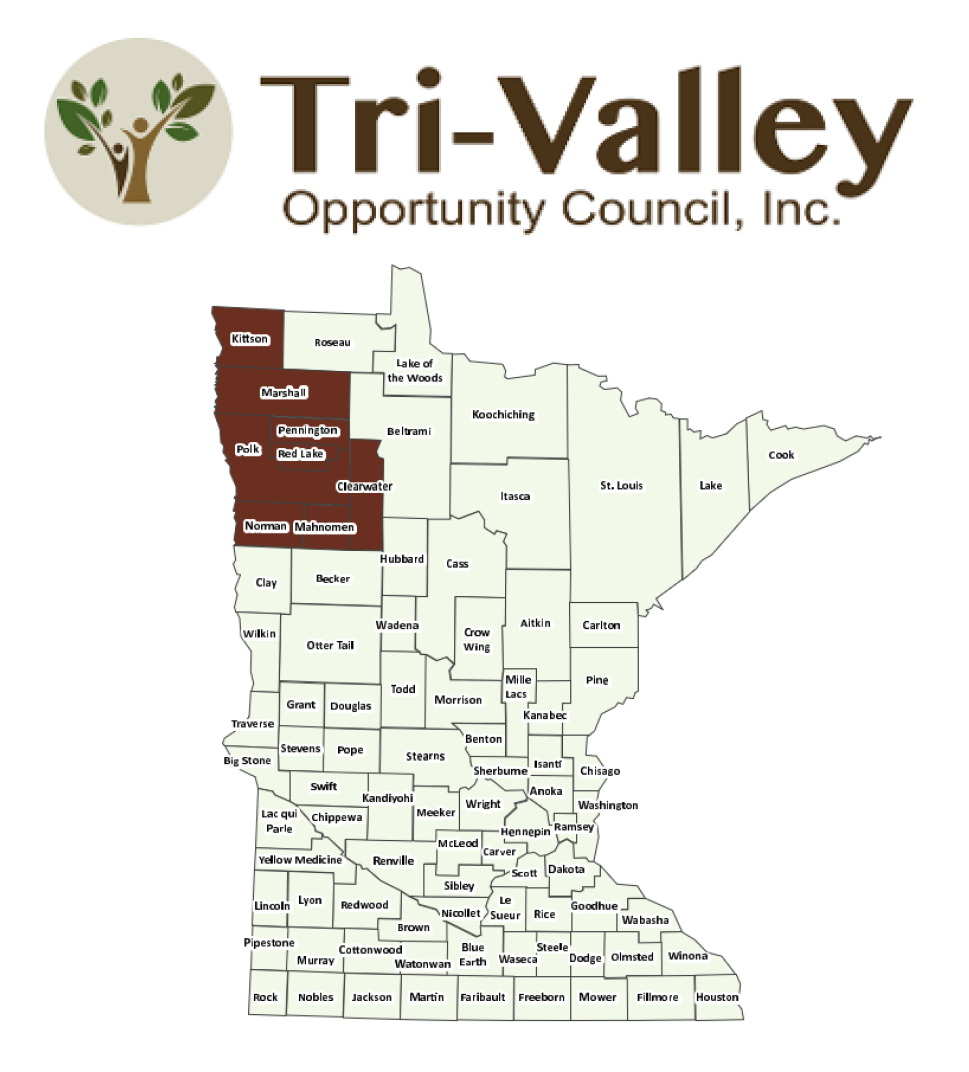
Tri-Valley Opportunity Council serves nine counties in the northwest corner of Minnesota and provides over 170,000 rides per year. As part of its transition to cleaner energy, Tri-Valley will replace five conventional gasoline paratransit buses with five propane-powered transit buses. In addition, the agency will install an on-site propane fueling tank, ensuring reliable, cost-effective fueling for its new fleet and supporting future expansion of propane vehicles.
Propane transit buses offer significant environmental benefits compared to gasoline counterparts, including:
- 75% reduction in NOx emissions
- 80% reduction in hydrocarbons
- 100% reduction in particulate matter
- 17% reduction in CO₂ emissions
Operationally, propane buses provide nearly the same driving range as conventional vehicles while delivering lower maintenance costs and improved long-term reliability. With the installation of an on-site fueling tank, Tri-Valley will also gain greater operational efficiency and cost savings by managing its own fuel supply.
These propane-fueled transit buses and infrastructure were primarily funded through a successful discretionary grant application with the Federal Transit Administration (FTA). MnDOT applied on behalf of Tri Valley and one other system in Minnesota for seven propane-fueled buses and infrastructure and was awarded a federal amount of $1,456,970 which is supplemented with state dollars provided by MnDOT.